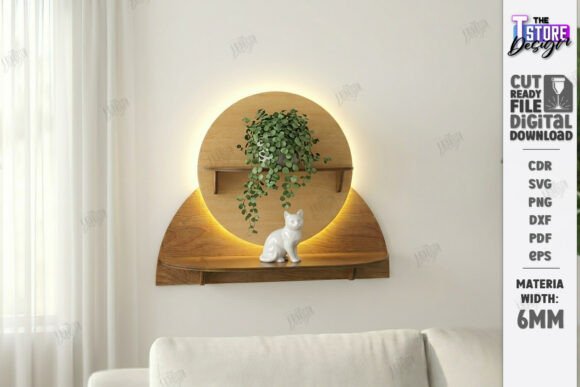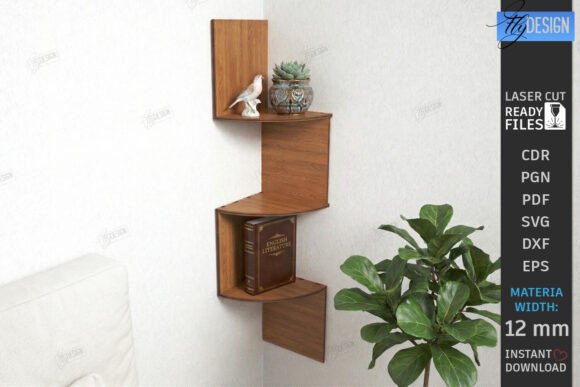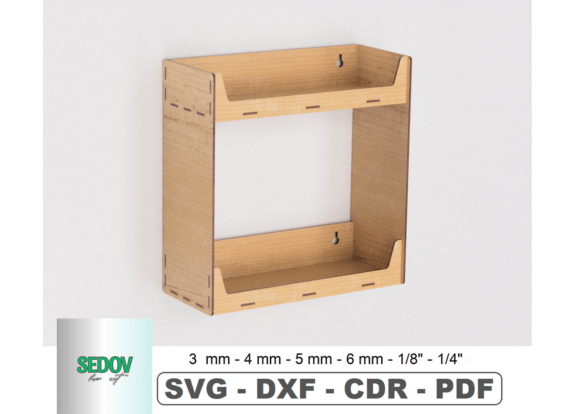
Laser Cut 3 Tier Wall Shelf
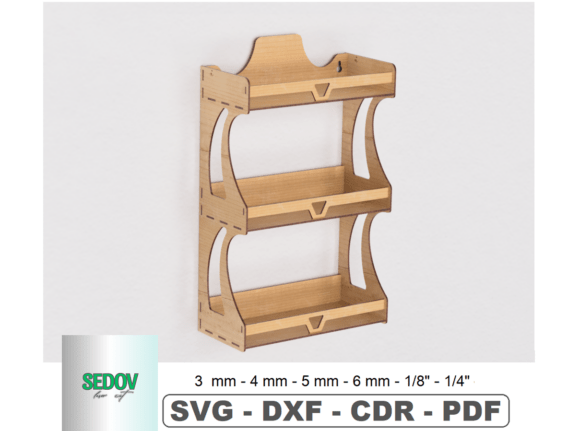
When I first opened the file for Laser Cut 3 Tier Wall Shelf, my initial reaction wasn't about the home organization aspect. As a designer who spends hours analyzing stitch paths and fabric interactions, I looked at it as a structural challenge. It is a clean, geometric shape that screams "minimalist," but in embroidery, geometry can be tricky. The design features three distinct levels, creating a sense of depth that usually requires careful planning to translate from a flat digital vector into raised thread.
This isn't just another generic floral motif or a simple text-based design. It represents a specific aesthetic: modern, functional, and architectural. For those of us running small shops or selling on platforms like Etsy, finding a machine embroidery design that bridges the gap between home decor trends and wearable art is rare. My question was simple: does this hold up when stitched? Can it survive the transition from a screen mockup to a finished product on a tote bag or a nursery wall hanging?
From Digital Vector to Stitched Reality
The visual personality of Laser Cut 3 Tier Wall Shelf is defined by its sharp lines and open spaces. In a real-world scenario, I tested this concept on a custom embroidered tote bag for a local boutique client. The goal was to create a piece that felt like a practical accessory with an artistic edge. The design's layout naturally draws the eye upward, mimicking the actual function of a shelf holding items. When applied to canvas or heavy-duty cotton, the negative space allows the fabric texture to show through, which adds a layer of sophistication that solid fill stitches often lack.
However, the execution relies heavily on how you handle the stitch density. Because the design mimics a laser-cut object, it benefits from a crisp outline. If the satin stitch around the edges is too loose, the "cut" look disappears, and it just looks like a blob. Conversely, if the density is too high on thin fabrics, you risk puckering, especially around the corners of the tiers. I found that using a cutaway stabilizer was essential here to maintain the structural integrity of the shelves during the stitching process. This ensures that the final finished product retains that crisp, professional silhouette that customers expect from high-end handmade goods.
Real-World Applications for Small Business Owners
For Etsy sellers and craft business owners, versatility is currency. This embroidery file offers more than just a single use case. While the title suggests Wall Decor and Laser Cutting, the true value lies in its adaptability across different product categories. Imagine applying this to a baby onesie or a bib. The tiered structure creates a playful, almost toy-like appearance that resonates well with parents looking for unique personalized gifts. The minimalism fits perfectly into modern nursery themes where clutter-free aesthetics are prized.
I also envision this design thriving on holiday merchandise. A holiday embroidery project featuring this shelf could serve as a backdrop for small, embroidered ornaments or stockings, turning a standard gift item into something bespoke. For commercial embroidery projects, such as branding for a coffee shop or a bakery, placing this design on an apron or a kitchen towel tells a story about the brand's identity—organized, stylish, and thoughtful.
The design also works exceptionally well as a standalone embroidered patch. By adding a backing and perhaps some contrasting thread colors, it becomes a detachable accessory for denim jackets or backpacks. This opens up a revenue stream for makers who want to sell low-cost, high-margin items without the overhead of complex machinery setups. The key is in the presentation; a well-stitched Laser Cut 3 Tier Wall Shelf on a high-quality patch signals attention to detail that builds customer trust.
Where to Exercise Caution and Precision
Despite its strengths, there are scenarios where this design requires a more cautious approach. One of the primary constraints is the hoop size. If you attempt to stitch this on a very small hoop, the intricate details of the tier separation might get lost. The horizontal bars connecting the shelves need enough room to breathe. On textured fabrics, like a thick fleece sweatshirt or a coarse linen, the definition of the "laser cut" lines can soften. You might lose the sharp contrast that makes the design pop.
Stretchy fabrics present another hurdle. When stitching on a cap or a fitted t-shirt, the tension of the fabric can distort the straight lines of the shelf tiers. To combat this, a high-density tear-away or a water-soluble stabilizer is crucial to prevent the design from shifting or warping. Additionally, dark fabrics require a strategic choice of thread colors. A black-on-black version might look sleek, but it risks disappearing entirely unless you use a metallic thread for the outlines. Always test your color combinations against the background before committing to a full production run.
Another area to watch is the longevity of the design. For products that will undergo frequent washing, such as kitchen towels or work aprons, ensure the stitch density is sufficient to withstand abrasion. If the fill stitch areas are too sparse, the threads may snag or pull out over time, damaging the reputation of your handmade brand. Regularly inspecting small details and checking for loose ends is part of the quality control process that separates hobbyists from professionals.
Practical Notes for the Modern Designer
Before you start uploading this to your machine, take a moment to review the technical specifications provided with the digital embroidery file. Not every machine handles applique designs or complex running stitch sequences the same way. If the file includes instructions for trimming, follow them precisely to achieve the cleanest look. I strongly recommend testing the design on scrap fabric first. This step is non-negotiable if you plan to sell these items commercially.
Create a few variations. Try the design in monochrome to see how the shadows play off the tiers, then try it with vibrant colors to gauge its appeal to younger demographics. Use printable mockups to visualize how the Laser Cut 3 Tier Wall Shelf would look on a white pillow cover versus a navy blue tote bag. These visual comparisons help you understand the visual appeal of the design in different contexts and ensure that your design assets align with your brand's consistency.
Finally, always confirm the licensing terms. Whether you are using this for personal projects or as part of a larger collection of design assets for sale, understanding the rules of use protects your business. Does the license allow for commercial sales of the finished item? Is there a limit on the number of units you can produce? Answering these questions upfront prevents legal headaches later.
In conclusion, Laser Cut 3 Tier Wall Shelf is more than just a pretty image; it is a versatile tool for creative entrepreneurs. It challenges you to think about structure, texture, and form in a new way. When executed with care, it elevates a simple garment or accessory into a statement piece that reflects both style and substance. For any maker looking to add a touch of modern architecture to their handmade product line, this design is a worthy addition to your toolkit.